It’s Throwback Thursday on Asteria Records, and this week we’re digging deep into the vault for one of Razteria’s earliest songs: “Vinchuca”, a bouncy reggae-ska tune with a horn section, a big Bay Area band and a story you won’t hear in many pop songs.
The song
Renée wrote “Vinchuca” in October 2006 in Santiago del Estero, in northern Argentina, while she was working as a surveyor on a prevention campaign run by Dr. Ricardo Gürtler‘s research group. A vinchuca is the insect that carries Chagas disease, a chronic illness with no cure, and the campaign went house to house asking about the things that let vinchucas move in.
Those survey questions turned into the song. In Spanish, Renée asks “Han visto vinchuca?” (have you seen a vinchuca?), what your roof is made of, and where your chickens, pigs, goats and horses sleep, and she calls the bug the “asesino escondido,” the hidden killer. It’s a serious subject wrapped in a joyful, sing-along groove: upbeat reggae-pop with a ska kick at 110 BPM in B minor, with bright horns and plenty of percussion.
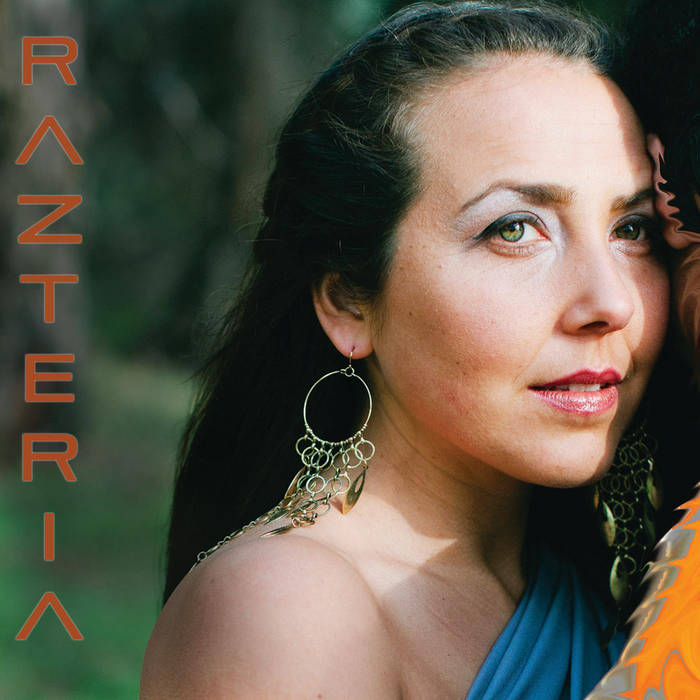
“Vinchuca” was first released on Caras de Agente Doble E / Faces of Agent Double E (2007), and it later found a new home on the Razteria album Maz Raz (2013). Listen to the 2007 original on Bandcamp, and the Maz Raz version on Bandcamp or Spotify.
Where it all started: Caras de Agente Doble E / Faces of Agent Double E (2007)
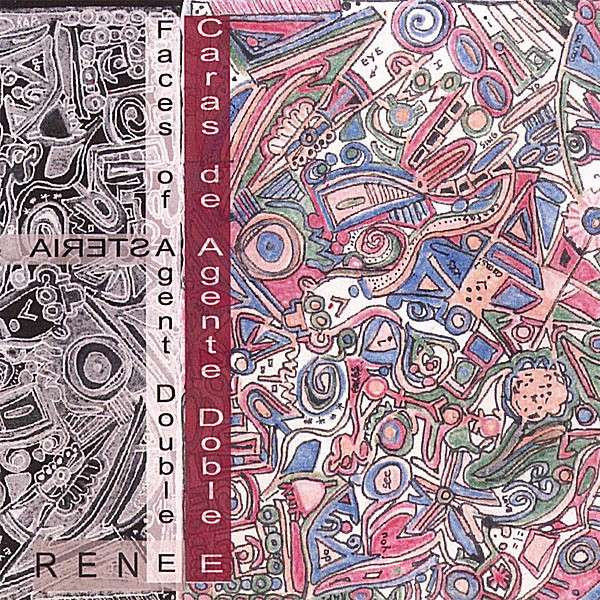
Before the Bay Area band got their hands on it, “Vinchuca” first came to life in Argentina. In 2007, while Renée was working as a research assistant for the University of Buenos Aires, she teamed up with Argentine producer Matias Martyn (Univerzoo) to make her first reggae-infused, bilingual Spanish/English album, Caras de Agente Doble E / Faces of Agent Double E (2007), released on Asteria Records. “Vinchuca” sits right up front as track two.
The story behind it, in Renée’s own words from her Broadjam song page: “I wrote this in October 2006 when I participated as a surveyor in a prevention campaign carried out by Dr Ricardo Gürtler’s research group in Santiago del Estero – a northern province of Argentina.” The group is the Laboratorio de Eco-Epidemiología at the University of Buenos Aires, directed by Ricardo Gürtler. The survey looked at household risk factors for vinchucas, the insects that transmit Chagas disease. Renée’s notes name the two kinds in the area: “la negra” (Triatoma infestans, which transmits Chagas) and “la rubita,” a wild species that rarely does. The “afata” and “poleo” in the roof line are two plants used in roofs, where the bug hides.
Credits for the 2007 original: written by Renée Asteria (lyrics and music) and produced by Matias Martyn (of the Argentine band Univerzoo) and Renée Asteria. Matias Martyn and Germán Álvarez play keys, Gustavo Estevez plays bass, Manuel Lugea plays drums, and Alejo Hernandez plays horns. Listen to the 2007 original on Bandcamp, or see the album on Discogs.
The Maz Raz (2013) version takes that same song, born from those house-to-house survey questions, and gives it a fresh home with a full Bay Area band, a new horn arrangement and plenty of extra percussion. Spin both and you can hear how the song grew from its Buenos Aires roots into the big, bright sing-along it is today.
The Maz Raz (2013) band
The Maz Raz version was composed, produced and arranged by Renée Asteria/Razteria and recorded and mixed at Live Oak Studio in Berkeley, California. The band: Waddell Bell (bass), Lou Neuburger (drums), Darren Batara (keys), Luke Thomas (guitar), Godelive (harmonies) and Dave Eagle (percussion). Horns are by Jeanne Geiger (arrangement, trombone), Mike Olmos (trumpet), Tony Peebles (saxophone) and Alejo Hernandez. The song was originally produced by Matias Martyn.
The people behind it
Waddell Bell (bass) and Lou Neuburger (drums)
Waddell and Lou are the rhythm section of the Bay Area’s Fyah Squad Band, the reggae, funk and soul band Lou helped found. Fyah Squad played a free People in Plazas lunchtime show in San Francisco this September, and the band also backs Junior Toots. Waddell also plays bass in Razteria’s live band, and he plays bass and sings in The Dans of Steel, a Bay Area Steely Dan tribute band.
Mike Olmos: trumpet
Mike is one of the busiest trumpet players in the Bay Area. He’s played with Etta James, Rosemary Clooney and Pete Escovedo, and he’s on Etta James’ Grammy-nominated final album The Dreamer. You can catch him with Adam Shulman at Madrone Art Bar on October 25 and at The DeLuxe on November 18, both in San Francisco. Visit his website or follow him on Instagram.
Tony Peebles: saxophone
Tony is a saxophonist and composer, a member of the Grammy-winning Pacific Mambo Orchestra, and a teacher at the San Francisco Conservatory of Music. He’s played with Fred Wesley and Karl Denson. This Friday, October 23, he’s on saxophone with the Brian Andres Latin Quartet at Mr. Tipple’s in San Francisco. More at tonypeebles.com.
Jeanne Geiger: trombone and horn arrangement
Jeanne arranged the horns and played trombone. She’s a Bay Area trombonist, composer and arranger who has played with Sheila E, Tommy Igoe Groove Conspiracy, Deltron 3030 and Green Day, and she has taught jazz trombone at CSU East Bay. Her own original project is called Teeny Tiger. Find her at jeannegeiger.com.
Dave Eagle: percussion
Berkeley native Dave Eagle plays everything from Brazilian music and cumbia to salsa, reggae and blues, and he’s the percussionist in the Brazilian trio Abraços. This July he co-led a Roots Zydeco family workshop at The Freight’s first Education Community Festival in Berkeley.
Keys, guitar, harmonies and the first version
Big thanks to Darren Batara on keys, Luke Thomas on guitar and Godelive on harmonies. The song’s original production was by Matias Martyn, and Alejo Hernandez played horns on both the 2007 original and the Maz Raz version.
Thanks for digging through the vault with us. Put on “Vinchuca,” check your roof for hidden bugs, and we’ll see you next Thursday with another throwback.